

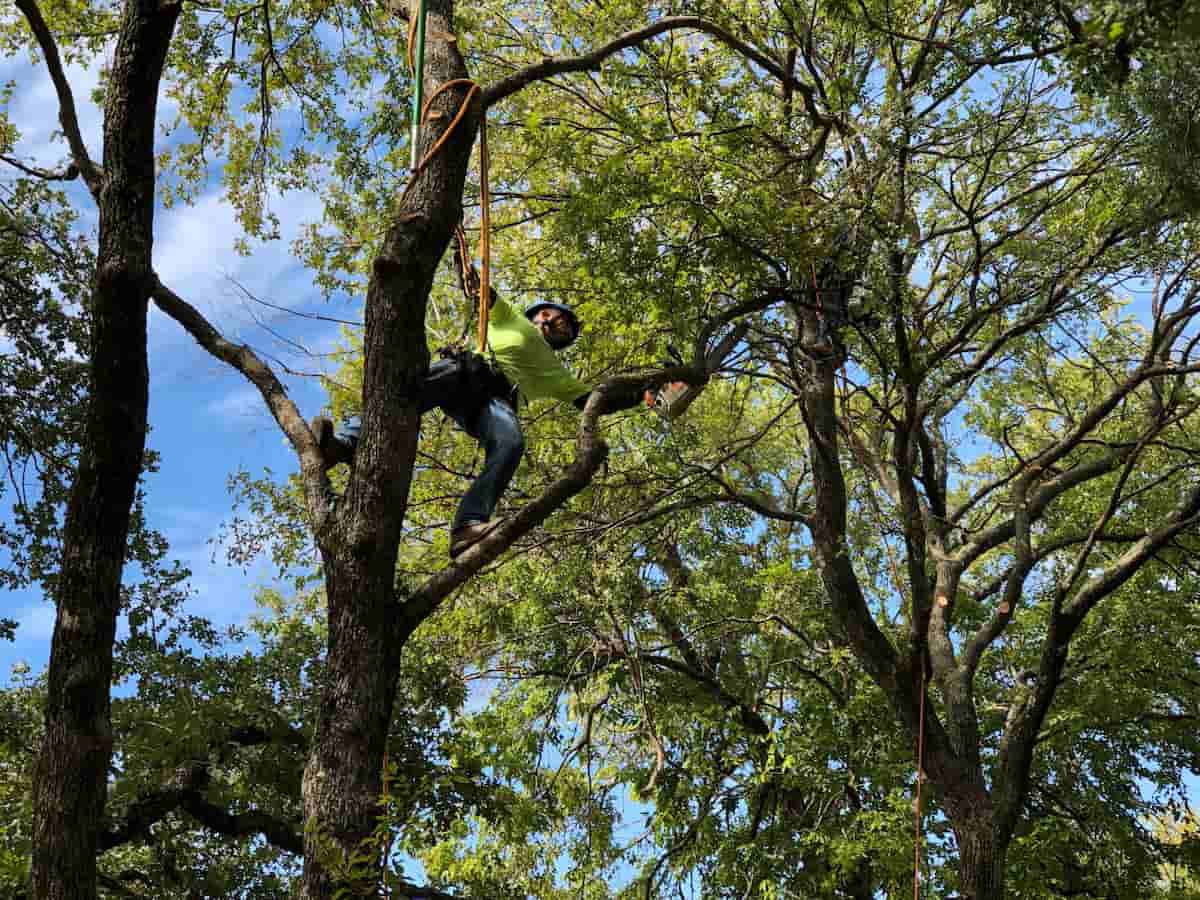
The sound of a structural impact or the sight of a massive gum tree leaning precariously over your roof is enough to cause instant panic. Whether it’s the result of an East Coast Low, a sudden structural failure, or a localized supercell, 24-hour emergency tree removal becomes your immediate priority.
When a tree falls on your house or power lines, the situation is no longer a simple landscaping issue; it is a high-risk structural and electrical emergency. Navigating the next 60 minutes correctly can mean the difference between a manageable insurance claim and a life-threatening disaster. This guide provides the essential “Safety First” checklist and professional insights required to handle an arboreal emergency in Australia.
See more: Why Do You Need Professional Tree Removal Services in Sydney?
What Qualifies as a Tree Emergency?
Not every fallen branch requires a 24-hour response. Understanding the distinction between “urgent maintenance” and a “true emergency” helps you prioritize safety and manage costs.
Critical Hazard Scenarios
- Structural Impact: A tree or large limb has physically struck a residence, garage, or occupied building.
- Power Line Interference: A tree is resting on service lines or has snapped a pole.
- Blocked Access: The fallen debris prevents emergency vehicles from reaching the property or traps residents inside.
- Imminent Threat: A tree is visibly uprooting or “heaving” the soil, indicating it could fall at any second.
Non-Emergency Situations
If a tree has fallen in an open paddock, a back garden away from structures, or is blocking a non-essential footpath, it is generally considered a standard service. In these cases, waiting for business hours can save you the after-hours premium associated with emergency call-outs.
The “Safety First” Checklist: Immediate Actions
If you are currently facing an emergency, follow these steps in order. Do not attempt to move the debris yourself.
1. Evacuate the Impact Zone
If a tree has hit your house, the structural integrity of the roof and walls is compromised. Evacuate all inhabitants to a safe distance. Do not re-enter the home to retrieve valuables until a professional has cleared the area.
2. Identify Power Line Hazards
In Australia, overhead power lines are common. If a tree is touching a line, stay at least 10 metres away. The ground around the tree can become energized (Step Potential), leading to lethal electric shocks.
3. Contact Emergency Services (If Necessary)
- Life Threatening: Call 000 immediately.
- Storm Damage: Contact the SES (State Emergency Service) at 132 500.
- Power Lines: Call your local network provider (e.g., Ausgrid, Endeavour Energy, Energex) to de-energize the area.
4. Call a Certified 24-Hour Emergency Tree Removal Specialist
Once the immediate danger is reported, contact a professional arborist. Ensure they are “Level 3” or “Level 5” certified and carry comprehensive public liability insurance.
Why Professional 24-Hour Emergency Tree Removal is Non-Negotiable
Attempting “DIY” tree removal during a storm or after an impact is one of the leading causes of preventable injuries in Australia.
Complex Tension and Compression
Fallen trees are often under extreme “spring-pole” tension. Cutting a branch without understanding weight distribution can cause the tree to shift or “kick back” with enough force to be fatal. Professional arborists use specialized rigging and cranes to neutralize these forces.
Electrical Conductivity
Even if the power appears to be out, lines can be “re-energized” by automatic circuit reclosers or back-feeding from portable generators. Certified emergency crews work in tandem with utility providers to ensure the site is electrically dead before work begins.
Insurance Compliance
Most Australian home insurance policies require “mitigation of further damage.” However, they also require that work be performed by qualified professionals. Unprofessional DIY attempts that result in further damage may lead to a claim being denied.
The Emergency Removal Process: What to Expect
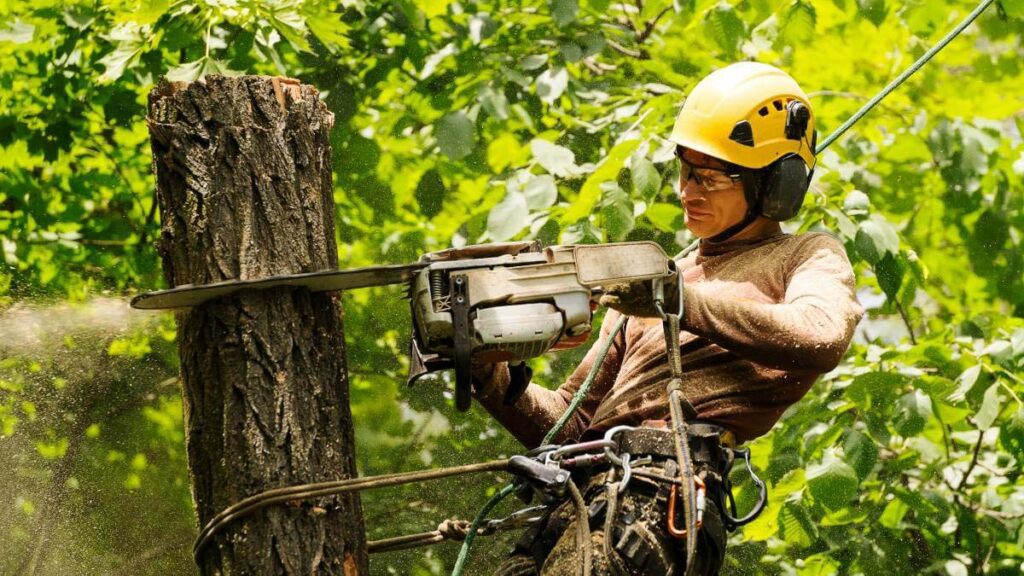
When a crew arrives for 24-hour emergency tree removal, they follow a specific protocol designed for speed and safety.
| Phase | Action | Purpose |
| Assessment | Site hazard analysis and “Tree Risk Assessment.” | Identify hidden tensions and electrical risks. |
| Stabilization | Use of cranes or bracing. | Prevent the tree from shifting further into the house. |
| Sectional Removal | Piece-by-piece dismantling using chainsaws. | Systematically reduce weight without causing impact. |
| Tarping | Temporary roof covering (if applicable). | Protect the interior of the home from rain and debris. |
| Debris Management | Mulching or hauling away. | Clear the site for structural repair crews. |
Dealing with Power Lines and Electrical Hazards
If a tree falls on power lines, the rules of engagement change entirely. In many Australian jurisdictions, it is illegal for an arborist to work within a certain distance of a live line unless they are specifically “Line Clearing” certified.
- The “Stay 10” Rule: Always keep a 10-metre radius.
- Service Lines vs. Mains: A tree hitting the “service drop” (the line to your house) is dangerous, but a tree hitting the high-voltage mains on the street can cause explosions or fires.
- Wait for the “All Clear”: Do not approach the tree until the energy provider has officially tagged the site as safe.
Best Practices for Australian Homeowners
To ensure your 24-hour emergency tree removal goes smoothly, keep the following tips in mind:
Document Everything for Insurance
Before the crew begins cutting, take photos and videos from a safe distance. This provides a clear “as-found” record for your insurance adjuster. Focus on the point of impact and any visible structural damage.
Check for Wildlife
Australian trees are often habitats for possums, birds, and bats. While human safety is the priority, inform the arborist if you believe there are trapped animals so they can coordinate with local wildlife rescue if possible.
Verify Credentials Under Pressure
In an emergency, “cowboy” operators often appear. Even at 2 AM, ask for:
- Certificate of Currency (Public Liability Insurance).
- Arboriculture Qualifications (AQF Level 3 minimum).
- WorkCover compliance.
Common Mistakes to Avoid During a Tree Emergency
- Climbing the Tree: Never climb a fallen or leaning tree to assess damage. The root ball could be unstable.
- Using a Chainsaw on a Ladder: This is the most dangerous way to use a saw, especially in wet or windy conditions.
- Waiting Until Morning: If a tree is resting on your roof, the weight is actively damaging your home’s framing. Every hour counts.
- Ignoring “Widow-Makers”: These are large, broken branches hanging high in the canopy. Even if the main tree is down, these can fall hours later.
Internal Linking & Authority Suggestions
Internal Linking Opportunities (Anchor Text):
- professional stump grinding services
- annual tree safety inspections
- how to identify a dangerous tree
- local council tree removal permits
Authoritative External References:
- Arboriculture Australia: Consult their standards for AQF qualifications and safety benchmarks.
- State Emergency Service (SES): Refer to their official storm preparation and response guidelines for Australian residents.
FAQ: Emergency Tree Removal in Australia
How much does emergency tree removal cost?
Emergency rates vary based on the time of day, the complexity of the equipment (like cranes), and the proximity to power lines. Generally, you can expect to pay a premium for 24-hour dispatch, often ranging from $800 to $5,000 depending on the scale of the job.
Does home insurance cover fallen trees?
In most cases, yes—provided the tree fell due to a covered peril like a storm or wind. Most policies cover the removal of the tree and the repair of the structure it hit. They may not cover removal if the tree fell in the yard without hitting anything.
Can I call the SES for any fallen tree?
No. The SES is a volunteer organization meant for life-safety and preventing further property damage. They will generally “make safe” (e.g., cut the tree off the roof), but they may leave the debris on your lawn. A private arborist is needed for full removal.
What if the tree is on my neighbor’s property?
If a neighbor’s tree falls on your house, your insurance usually covers your house, and their insurance may be liable if the tree was known to be dead or dangerous. It is a complex legal area often governed by the Trees (Disputes Between Neighbours) Act.
Do I need a council permit for an emergency removal?
Most Australian councils have “Emergency Works” exemptions. If a tree is an immediate threat to life or property, you can usually remove it without a prior permit, but you must take photos and potentially get an arborist’s report after the fact to prove the emergency.
Conclusion: Act Fast, Stay Safe
When facing a 24-hour emergency tree removal scenario, the goal is stabilization and risk mitigation. Remember that property can be rebuilt, but lives cannot. If a tree strikes your home or interferes with power lines, evacuate the area, call the authorities, and contact a certified arborist immediately.
By following the “Safety First” checklist and avoiding the temptation to handle the cleanup yourself, you ensure the fastest path to recovery and the safety of your family.