How Do St Leonards Florists Source Fresh Flowers?
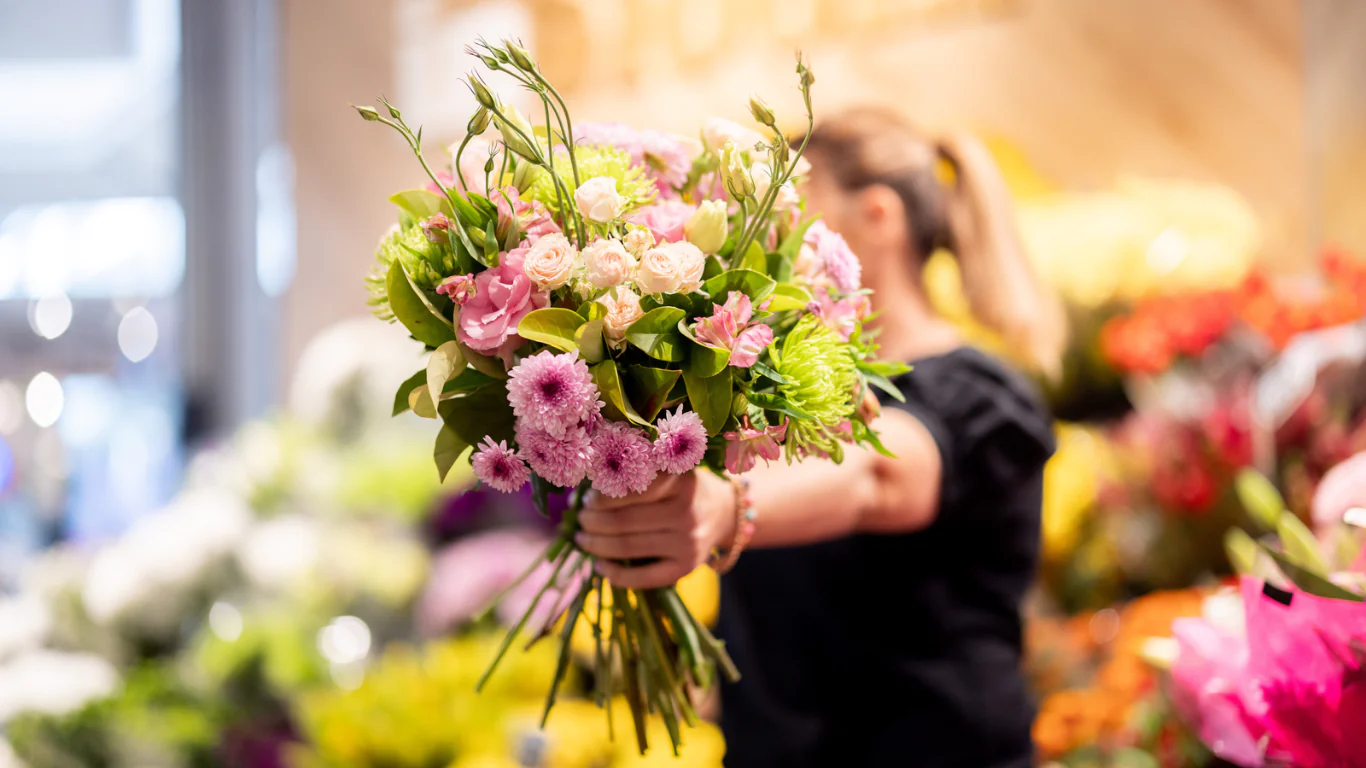
St Leonards florists maintain flower freshness by sourcing blooms directly from local growers on a daily basis. This farm-to-shop approach eliminates the lengthy supply chains that typically reduce flower vitality.
The daily sourcing model means flowers arrive at the florist within hours of being cut. Local partnerships with nearby flower farms allow florists to select blooms at their peak freshness, rather than receiving pre-packaged shipments that may have travelled for days.
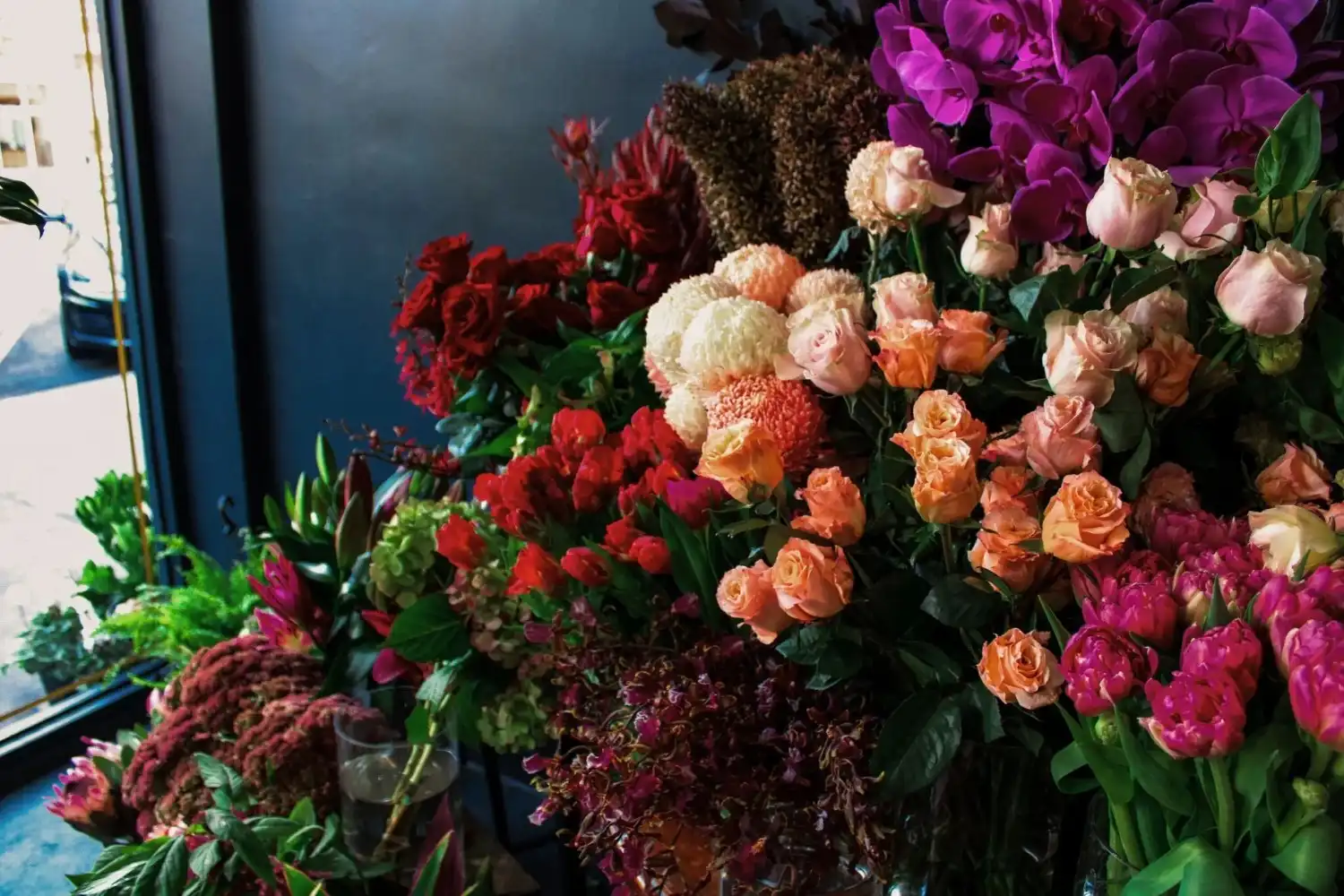
Seasonal selection plays a crucial role in this sourcing strategy. St Leonards florist prioritise seasonal blooms that naturally thrive in the current climate conditions. These flowers require less intervention to stay fresh and typically last longer than out-of-season varieties that have been imported.
The relationship between florists and local growers creates several advantages:
- Quality control – Florists can inspect flowers before purchase and reject substandard blooms
- Variety selection – Direct communication allows florists to request specific colours and varieties
- Reduced transit time – Flowers spend minimal time between cutting and arrival at the shop
- Freshness guarantee – Same-day sourcing ensures maximum vase life for customers
This localised supply chain also allows florists to respond quickly to customer demands. When a specific flower type becomes popular or a special order comes through, they can coordinate with growers to secure fresh stock rapidly.
The commitment to daily sourcing requires significant effort and planning. St Leonards florists must maintain strong relationships with multiple growers to ensure consistent supply across all seasons. This dedication to freshness at the source forms the foundation of how a St Leonards florist keeps flowers fresh longer.
What Techniques Do They Use to Maintain Flower Freshness?
St Leonards florists maintain flower freshness through careful water management and control of their environment. They change the water multiple times a day, adding professional-grade flower food each time to balance the pH levels and provide essential nutrients.
Water Quality and Preservation Methods
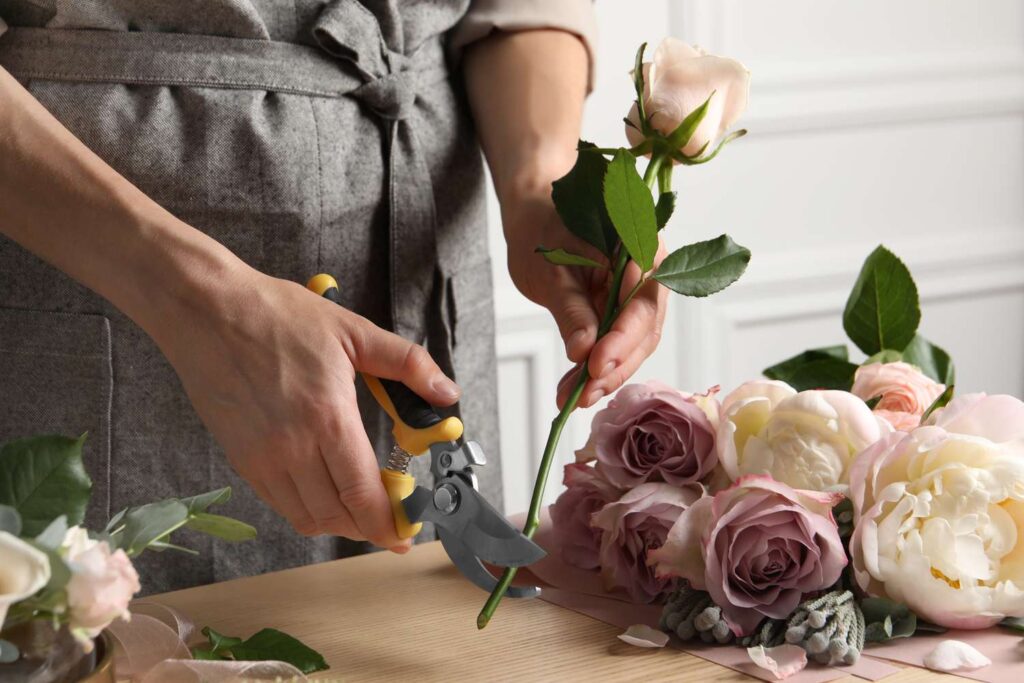
Clean, bacteria-free water is crucial for keeping flowers fresh. Florists remove all leaves below the waterline to stop them from rotting and creating harmful bacteria. Every 24-48 hours, they cut the stems at a 45-degree angle to help them absorb more water.
Professional preservatives contain three main ingredients:
- Biocides that kill bacteria and fungi
- Acidifiers that lower pH to optimal levels (3.5-5.0)
- Sugars that provide energy for continued blooming
Some florists make their own solutions using measured amounts of lemon juice, sugar, and bleach for specific types of flowers that need special care.
Temperature and Environmental Controls
They use dedicated cold storage to keep most flowers at temperatures between 2-4°C. Tropical flowers like orchids and anthuriums need warmer conditions around 10-12°C. Humidity levels are kept at 80-90% to stop the flowers from drying out while also preventing condensation that can lead to mould growth.
Flowers are never stored near ripening fruit because it releases ethylene gas which makes them age faster. Air circulation systems are used to avoid stagnant air pockets without creating direct draughts that can cause moisture loss.
Handling and Hygiene Protocols
Every tool is sterilised after each use. Secateurs, knives, and buckets are cleaned with diluted bleach solutions to prevent cross-contamination between different batches of flowers. Florists wear clean gloves when handling delicate petals because natural oils from our skin can harm sensitive blooms.
Stems are cut underwater to stop air bubbles from blocking their vascular systems. This method is especially important for roses, gerberas, and chrysanthemums which are prone to air embolisms that hinder water uptake.
How Do They Handle and Store Flowers to Extend Longevity?
St Leonards florists extend flower longevity through meticulous handling protocols that begin the moment blooms arrive at their shops. Each stem receives individual attention, with florists removing lower leaves that would sit below the waterline and making fresh cuts at 45-degree angles to maximise water absorption.
Temperature Control Methods
Professional florists maintain dedicated cold storage rooms set between 2-4°C, which significantly slows the ageing process of cut flowers. These climate-controlled environments create ideal conditions that can double or triple the lifespan of certain varieties. Roses, lilies, and chrysanthemums particularly benefit from this cool storage, whilst tropical flowers like orchids require slightly warmer temperatures around 10-13°C.
The storage areas remain separate from customer-facing spaces to prevent temperature fluctuations. Florists retrieve only the necessary stems for immediate arrangements, keeping the remaining stock in optimal conditions until needed.
Proper Hydration Techniques
Immediate water placement forms the cornerstone of flower handling. St Leonards florists plunge stems into deep buckets of fresh water within seconds of making cuts, preventing air bubbles from blocking water uptake channels. The water itself receives treatment with commercial flower food containing:
- Sugar for energy
- Acidifiers to maintain pH balance
- Biocides to prevent bacterial growth
Florists change this water every 24-48 hours, scrubbing containers thoroughly between uses to eliminate bacterial buildup that causes premature wilting.
Stem Processing Standards
Different flower types demand specific processing methods. Woody stems like roses receive crushing or splitting at the base to increase water absorption surface area. Hollow-stemmed flowers such as delphiniums get turned upside down and filled with water before plugging with cotton wool. Flowers with milky sap, including poppies and euphorbias, have their stem ends seared with a flame to seal in moisture.
Spacing and Air Circulation
Florists avoid overcrowding storage buckets, allowing adequate space between stems for air circulation. This prevents moisture accumulation that encourages mould growth and reduces ethylene gas concentration—a natural plant hormone that accelerates ageing. Each bucket typically holds no more than 12-15 stems to ensure optimal conditions for preservation.
What Role Does Delivery Play in Preserving Flower Freshness?
Delivery timing directly determines how long flowers remain vibrant after leaving the florist’s care. St Leonards florists prioritise same-day delivery services to minimise the time flowers spend in transit, reducing exposure to temperature fluctuations and physical stress that accelerate wilting.
Speed of Transit
The window between arrangement completion and customer delivery significantly impacts bloom quality. Florists schedule deliveries within hours of creating bouquets, ensuring stems haven’t been sitting idle. This rapid turnaround prevents dehydration and maintains the cellular structure of petals, which begins deteriorating the moment flowers are cut from their water source.
Temperature-Controlled Transport
Professional florists use climate-controlled vehicles for deliveries, particularly during extreme weather. Summer heat causes rapid moisture loss through transpiration, whilst winter cold can damage delicate petals through cellular freezing. Insulated carriers and refrigerated vans maintain the 2-5°C temperature range that slows metabolic processes in cut flowers.
Protective Packaging Methods
Proper wrapping shields blooms from physical damage during transport:
- Water tubes attached to individual stems maintain hydration
- Tissue paper creates cushioning between delicate petals
- Breathable wrapping prevents condensation buildup
- Sturdy boxes prevent crushing during handling
Photo Confirmation Services
Some St Leonards florists photograph arrangements immediately after delivery. This practice serves dual purposes: verifying the bouquet arrived in pristine condition and providing accountability for freshness standards. Customers receive visual proof their flowers were delivered upright, undamaged, and properly hydrated.
Priority Delivery Options
Time-sensitive deliveries receive special handling protocols. Morning deliveries ensure recipients can immediately place flowers in water, whilst express services reduce transit time to under two hours. Priority orders bypass standard routing schedules, guaranteeing the shortest possible journey from florist to doorstep.
Delivery Personnel Training
Trained couriers understand proper flower handling techniques. They carry arrangements upright, avoid leaving them in hot vehicles, and communicate with recipients about immediate care instructions. This knowledge transfer helps customers maintain the freshness standards established by the florist.
Other Resources : Postharvest care of cut flowers
How Do Personalised Services Enhance Flower Freshness and Customer Satisfaction?
Personalised services directly impact flower freshness by allowing florists to tailor arrangements to specific delivery times and recipient preferences. St Leonards florists who offer customised consultations can select blooms at their peak condition and create arrangements that match the exact delivery schedule, reducing the time flowers spend waiting.
1. Custom Timing Arrangements
Custom timing arrangements mean florists prepare bouquets closer to the delivery window rather than creating them hours in advance. This approach keeps flowers in optimal storage conditions until the last possible moment. When a customer requests delivery at 2 PM, the florist can assemble the arrangement that morning, ensuring maximum freshness upon arrival.
2. Photo Confirmation Services
Photo confirmation services add an extra layer of quality control that benefits flower longevity. Before delivery, florists photograph the arrangement, which encourages them to inspect each bloom carefully and remove any stems showing early signs of deterioration. This practice catches potential issues before flowers reach the recipient.
3. Priority Delivery Options
Priority delivery options preserve freshness by minimising transit time. Customers who select express services receive flowers that spend less time in delivery vehicles, reducing exposure to temperature fluctuations and handling stress. St Leonards florists often reserve their freshest stock for priority orders, knowing these arrangements will reach recipients quickly.
4. Personalised Care Instructions
Personalised care instructions accompany many custom orders, providing recipients with specific guidance for their particular arrangement:
- Stem-cutting angles for different flower varieties
- Water change schedules based on bloom types
- Optimal room placement recommendations
- Flower food ratios tailored to the specific bouquet
5. Seasonal Bloom Consultations
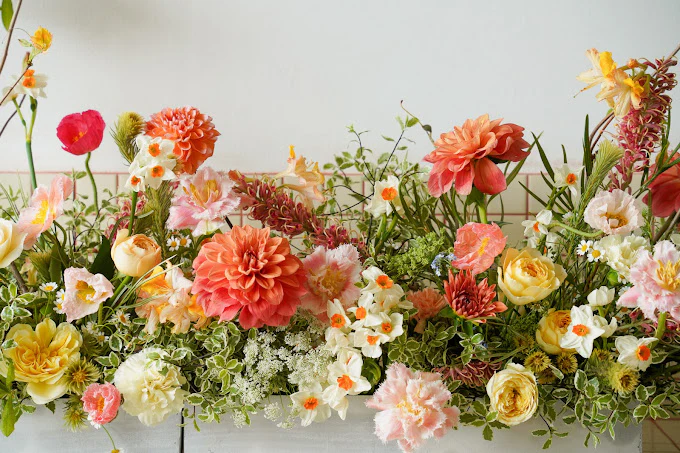
Seasonal bloom consultations help customers choose varieties that naturally last longer during specific times of year. A florist might suggest hardy natives during summer months or recommend blooms known for their resilience during winter. This expertise prevents customers from unknowingly selecting flowers prone to quick wilting in current conditions.
6. Relationship-Based Service
Relationship-based service allows florists to remember customer preferences and delivery histories. Regular clients benefit from florists who know their preferred flower types, typical delivery addresses, and even the environmental conditions in recipients’ homes. This knowledge enables better bloom selection and preparation methods.
7. Custom Vase Selection
Custom vase selection contributes to longevity by matching container size and shape to specific arrangements. Florists who offer personalised service choose vessels that provide adequate water depth, proper stem support, and appropriate opening widths.
Conclusion
How a St Leonards florist keeps flowers fresh longer combines scientific knowledge with practical expertise at every stage of the flower journey. From the moment blooms leave local farms to their arrival at your doorstep, each step follows carefully refined processes designed to maximise longevity.
The commitment to daily sourcing from nearby growers eliminates the extended supply chains that typically compromise freshness. This direct relationship means flowers spend hours rather than days in transit, arriving with their full lifespan intact.
Professional handling techniques transform what might be a simple transaction into a preservation science. Clean tools, temperature-controlled environments, and proper hydration protocols work together to maintain cellular integrity. These practices prevent bacterial growth and physical damage that cause premature wilting.
Same-day delivery services act as the final safeguard in the freshness chain. By minimising the time between arrangement and delivery, florists ensure recipients enjoy blooms at their peak. Photo confirmations add accountability, guaranteeing quality standards are met.
The personalised approach extends beyond mere customer service—it directly impacts flower longevity. When florists understand specific delivery requirements, event timings, and display conditions, they can prepare arrangements that perform optimally in their intended environment.
St Leonards florists demonstrate that keeping flowers fresh requires more than basic care. It demands expertise in sourcing, meticulous attention to handling protocols, strategic delivery planning, and genuine commitment to customer satisfaction. This comprehensive approach ensures every bouquet delivers maximum beauty and value.
Related : Why a Local Flower Shop in Manly Still Beats Online Only
FAQs (Frequently Asked Questions)
How do St Leonards florists source fresh flowers?
St Leonards florists source fresh flowers by partnering with local growers and reputable suppliers to ensure the highest quality blooms. They prioritise seasonal and locally grown flowers to guarantee freshness and sustainability.
What techniques do St Leonards florists use to maintain flower freshness?
To maintain flower freshness, St Leonards florists employ techniques such as proper hydration, temperature control, and timely conditioning of the flowers. They also use specialised floral preservatives and ensure careful handling throughout the process.
How do St Leonards florists handle and store flowers to extend their longevity?
Flowers are handled gently and stored in climate-controlled environments with optimal humidity and temperature levels. This careful storage slows down wilting and preserves the blooms’ vibrancy for longer periods.
What role does delivery play in preserving flower freshness in St Leonards?
Delivery plays a crucial role by ensuring that flowers are transported swiftly and under suitable conditions to prevent damage or dehydration. Many St Leonards florists use refrigerated vehicles and timed deliveries to maintain peak freshness upon arrival.
How do personalised services from St Leonards florists enhance flower freshness and customer satisfaction?
Personalised services allow customers to select specific flower types, arrangements, and delivery times that best suit their needs, ensuring that flowers arrive fresh and tailored to preferences. This attention to detail enhances overall satisfaction and enjoyment.
Why is it important to choose a local florist like those in St Leonards for fresh flowers?
Choosing a local florist in St Leonards ensures access to freshly sourced blooms with minimal transit time, supporting local businesses and reducing environmental impact. Local expertise also guarantees customised care for each bouquet, maximising freshness and quality.