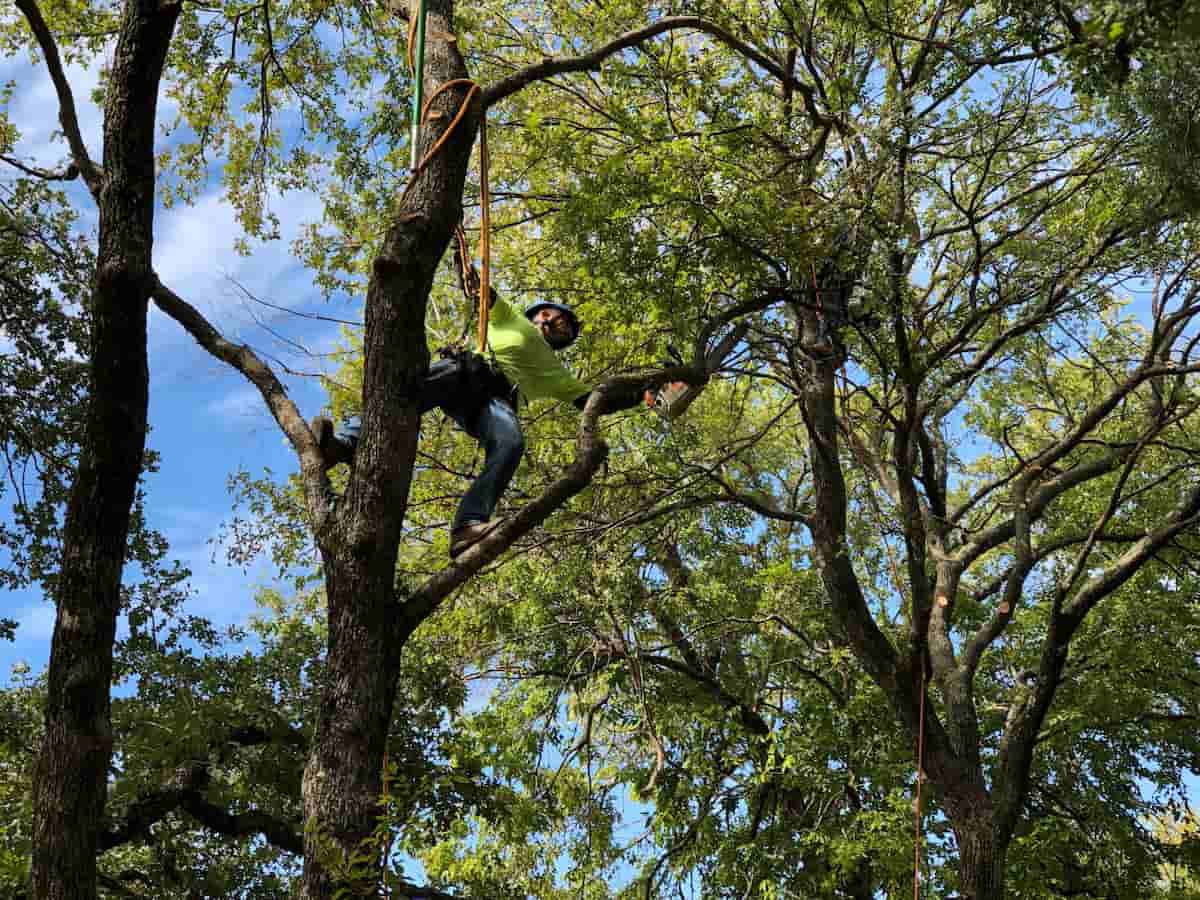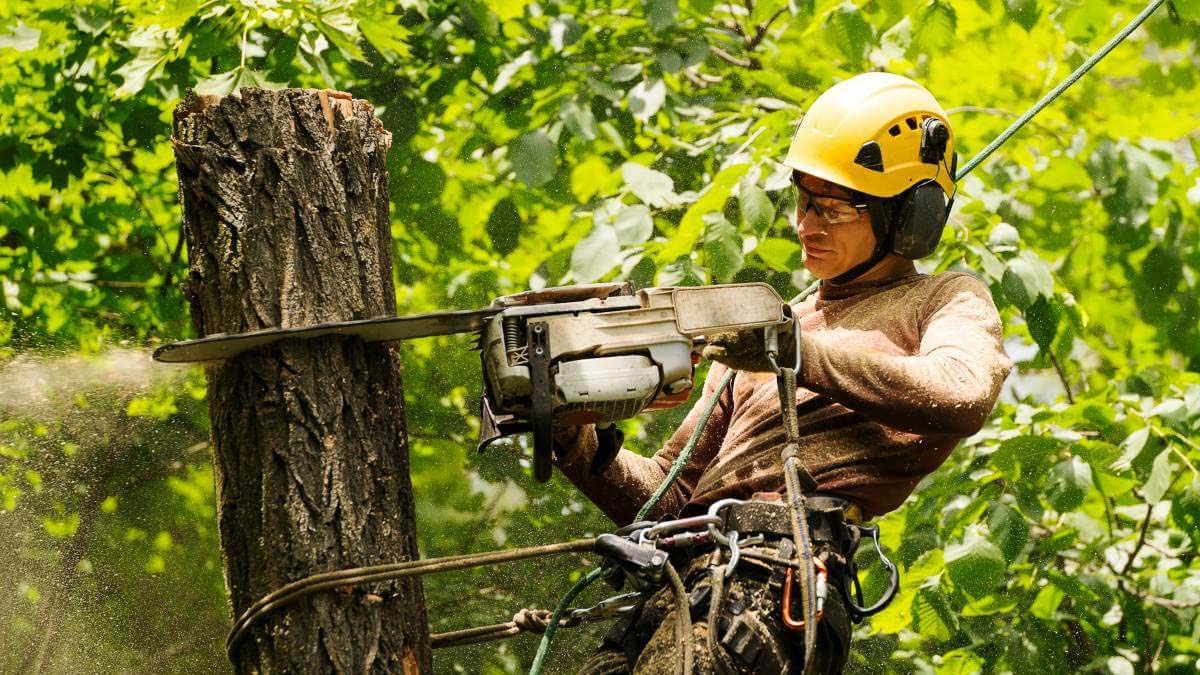
A good residential tree removal process is not about cutting first and asking questions later. It is about clear risk assessment, correct approvals, and safe execution with the right equipment.
What situations make residential tree removal necessary in Sydney?
Tree removal service is usually necessary when a tree presents a foreseeable hazard or cannot be reasonably remedied with pruning. In residential areas, common triggers include storm damage, major limb failure, root heave near structures, and visible decline.
Homeowners often act after warning signs appear: a sudden lean, soil lifting around the base, large dead branches, termites, fungal brackets, or repeated limb drops. Trees that have outgrown their space can also become structurally compromised and start interfering with buildings and services.
How can homeowners tell if a tree is a genuine safety risk?
A tree is a genuine risk when its likelihood of failure and the impact zone create an unacceptable hazard. The key is not just whether the tree looks “big,” but whether defects suggest it could fail.
Typical red flags include cracks in the trunk, included bark at tight junctions, cavities, extensive dieback, and poor root anchorage. If the tree is close to bedrooms, driveways, play areas, or neighbour property, the consequence side of the risk equation increases quickly, and professional assessment becomes essential.
What Sydney approvals and rules might apply before removal?
Many removals in Sydney require council approval, especially for protected trees, significant sizes, or properties with planning controls. The safest approach is to assume rules apply until confirmed otherwise.
Depending on the local council area, requirements may involve a permit, an arborist report, or compliance with heritage or environmental overlays. If a tree sits on a boundary or its canopy extends over neighbouring land, they may also need to consider neighbour communication and shared responsibility before work begins.
Why is DIY tree removal rarely safe on residential properties?
DIY removal is rarely safe because most residential risks are hidden until cutting starts. Weight distribution, internal decay, tensioned limbs, and unpredictable falls can turn a simple job into an emergency.
Sydney homes often have tight access, nearby structures, and overhead lines. Without rigging knowledge, correct saw handling, and drop zone control, they can accidentally hit roofs, smash fences, or cause serious injury. In many cases, the cost of a mistake exceeds the cost of hiring qualified professionals.
What does a professional residential tree removal process look like?
A professional process starts with site assessment, hazard identification, and a method statement that matches the property constraints. They confirm access, decide whether climbing or an elevated work platform is required, and plan rigging points and lowering zones.
Removal commonly happens in controlled sections rather than a single fell. Teams will protect lawns and gardens where possible, manage traffic or pedestrian risks if needed, and finish with cleanup, timber removal, and optional stump grinding.
How do they manage tricky removals near homes, fences, and powerlines?
They manage tight removals by dismantling the tree in small pieces and lowering sections with ropes and rigging devices. This approach keeps branches from free falling onto structures.
For powerline proximity, they treat it as a specialist constraint. They may require specific clearances, coordination with the network provider, or a provider-approved contractor depending on the situation. The job plan should always prioritise exclusion zones, controlled lowering, and safe equipment positioning.
Other Resources : Safe use of concrete-placing equipment
What happens to the stump, and do they need stump grinding?
Stumps can become trip hazards, attract pests, and interfere with landscaping, so many homeowners choose stump grinding after removal. Grinding reduces the stump below ground level and allows re-turfing, planting, or paving.
They might skip grinding if the stump is in a garden bed where it can be incorporated into a design, but they should understand the trade-off. Some species can reshoot from remaining roots, and decaying stumps can cause long term ground settling.
How should homeowners choose a tree removal company in Sydney?
They should choose a company that can explain the job plan clearly and demonstrate safe systems of work. A good operator will discuss risks, access, and protection for nearby structures before quoting.
They should also look for evidence of professional capability: qualified arborists or experienced climbers, appropriate insurance, and a strong track record with similar residential jobs. If a quote is unusually low, they should ask what is excluded, such as stump grinding, green waste removal, or council documentation support. Check out more about Residential Tree Removal Sydney: What Happens After the Tree Is Gone?
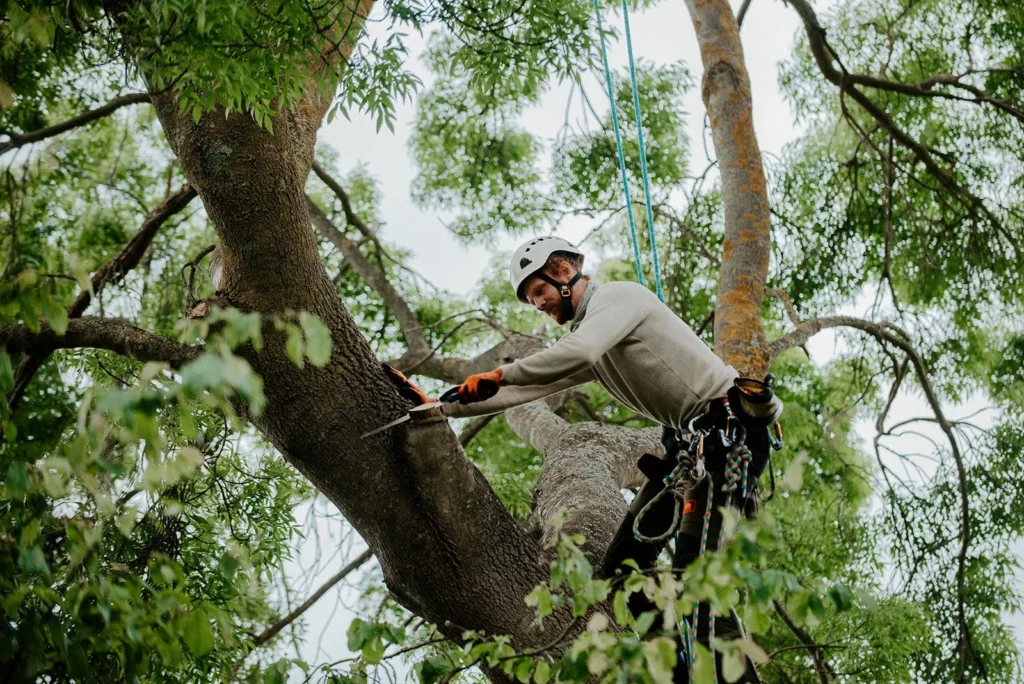
What should they do after removal to keep the property safe long term?
After removal, they should address the cause, not just the symptom. If the tree failed due to drainage issues, soil movement, or repeated storm exposure, similar problems can affect other trees on the property.
They should also consider a proactive tree maintenance plan: periodic inspections, targeted pruning, and removing deadwood before storm season. If replacement planting is desired, choosing the right species for the space, roots, and canopy spread helps prevent future conflicts with buildings and neighbours.
FAQs (Frequently Asked Questions)
When is residential tree removal necessary for Sydney homeowners?
Residential tree removal in Sydney becomes necessary when a tree presents a foreseeable hazard that cannot be remedied through pruning. Common situations include storm damage, major limb failure, root heave near structures, visible decline, sudden lean, soil lifting around the base, large dead branches, termite infestation, fungal brackets, or when trees have outgrown their space causing structural compromise and interference with buildings or services.
How can Sydney homeowners identify if a tree poses a genuine safety risk?
A tree poses a genuine safety risk if its likelihood of failure and the potential impact zone create an unacceptable hazard. Homeowners should look for red flags like cracks in the trunk, included bark at tight junctions, cavities, extensive dieback, and poor root anchorage. Proximity to bedrooms, driveways, play areas, or neighboring properties increases risk. Professional arborist assessment is essential for accurate evaluation.
What approvals and regulations apply to tree removal in Sydney residential areas?
Many tree removals in Sydney require council approval, especially for protected trees, large sizes, or properties under planning controls. Requirements may include obtaining permits, arborist reports, or compliance with heritage and environmental overlays. Trees on boundaries or with canopies extending over neighboring land may require neighbor communication and shared responsibility before removal work begins.
Why is DIY tree removal often unsafe on residential properties in Sydney?
DIY tree removal is rarely safe due to hidden risks such as internal decay, weight distribution issues, tensioned limbs, and unpredictable falls that only become apparent during cutting. Tight access spaces near homes, overhead powerlines, and nearby structures increase hazards. Without proper rigging knowledge and equipment handling skills, DIY attempts can cause property damage or serious injury. Hiring qualified professionals is usually safer and more cost-effective.
What does a professional residential tree removal process involve in Sydney?
Professional residential tree removal starts with thorough site assessment and hazard identification. A method statement is developed considering property constraints. Professionals confirm access methods (climbing or elevated platforms), plan rigging points and lowering zones for controlled sectional dismantling rather than full felling. They protect lawns and gardens where possible, manage traffic or pedestrian risks if needed, and complete cleanup including timber removal and optional stump grinding.
How are tricky removals managed near homes, fences, and powerlines in Sydney?
Tricky removals near structures are managed by dismantling trees into small sections lowered carefully using ropes and rigging devices to prevent free falls onto buildings or fences. When close to powerlines, specialist constraints apply requiring specific clearances and coordination with network providers or approved contractors. The job plan prioritizes exclusion zones, controlled lowering techniques, and safe equipment positioning to ensure safety throughout the process.