

The success of your garden beds depends on the ground cover you choose. When deciding between wood chippings and mulch, it’s important to understand which material will best support your plants, conserve water, and maintain healthy soil ecosystems throughout the growing season.
Choosing the right material for your garden beds will directly impact soil temperature, moisture levels, weed growth, and nutrient availability. Wood chippings and mulch each have different effects on the soil—one decomposes slowly while providing long-term protection, while the other breaks down quickly to enrich the earth below. Your choice will not only affect the look of your landscape but also the health of your plants.
Here are some key factors to consider when deciding between wood chippings and mulch:
- How long do you need it to last? Consider how often you’re willing to replenish your ground cover.
- What are your goals for enriching the soil? Decide whether you prioritise immediate nutrient release or sustained protection.
- What is your budget? Balance upfront costs against long-term maintenance expenses.
- What are your aesthetic preferences? Think about how the texture and colour of the material will match your landscape vision.
- What do your plants need? Take into account the moisture retention and temperature regulation requirements of your specific plant species.
Ultimately, the right choice isn’t about which material is objectively “better.” It’s about finding a solution that meets the unique needs of your garden. By understanding the differences between wood chippings and mulch, you’ll be able to make an informed decision that benefits both your plants and your gardening style.
What Are Wood Chips and Mulch, and How Do They Differ in Composition and Texture?
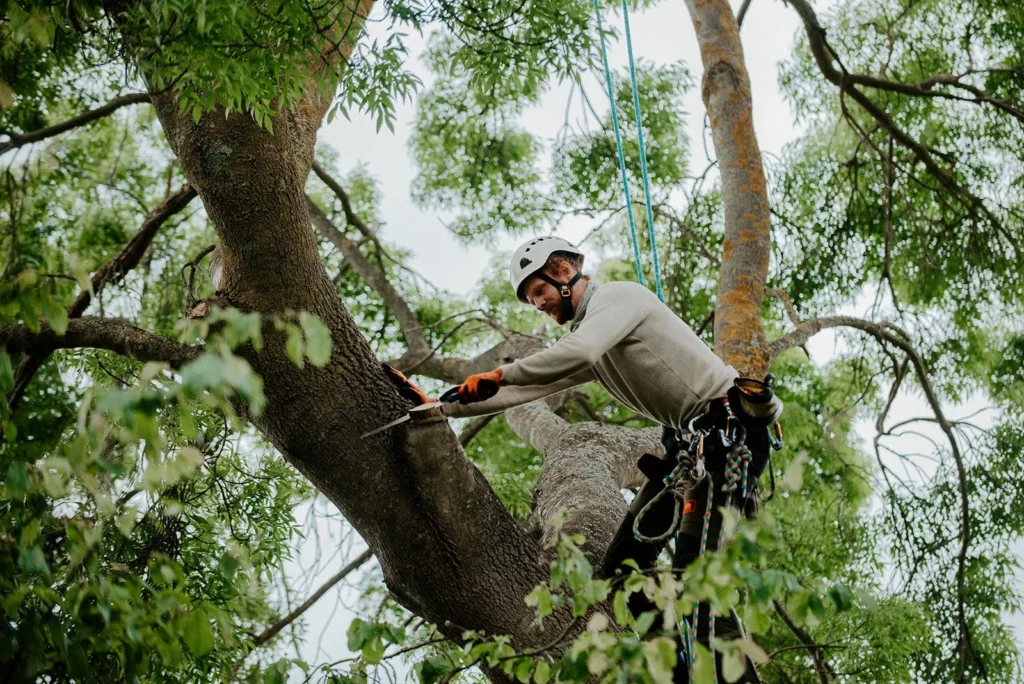
Wood chips are chunky pieces created by mechanically chipping tree branches, bark, and trunks—typically measuring 1-3 inches in length. These larger fragments come directly from arborist work, tree trimming, and forestry operations, maintaining their original woody structure with visible bark pieces and sapwood.
Mulch represents a broader category encompassing any material spread over soil surfaces for protection. This definition includes:
- Organic mulches: shredded bark, compost, straw, pine needles, shredded leaves
- Inorganic mulches: rubber chips, gravel, landscape fabric, plastic sheeting
The composition difference matters because wood chips contain only tree material, whilst mulch can incorporate diverse sources ranging from recycled rubber tyres to processed agricultural waste.
Texture Variations Between the Materials
Wood chips present a coarse, irregular texture with sharp edges and varying sizes. When you run your hands through a pile, you’ll feel distinct chunks that don’t compress easily. The rough surface creates air pockets between pieces, promoting drainage and airflow around plant roots.
Mulch typically offers a finer, more uniform consistency. Shredded bark mulch, for instance, feels softer and more pliable than wood chips. The smaller particle size allows mulch to settle more compactly, creating a denser layer that moulds around plant stems. Processed mulch products often undergo double or triple shredding, resulting in fibrous strands rather than solid chunks.
The textural contrast becomes immediately apparent when spreading these materials. Wood chips require more effort to distribute evenly due to their bulk, whilst finer mulch flows smoothly from bags or wheelbarrows, filling gaps between plants with minimal adjustment.
How Do Wood Chips Benefit Garden Beds in Terms of Moisture Retention, Weed Suppression, and Soil Temperature Regulation?
Wood chips create a protective barrier that locks moisture into the soil by reducing evaporation rates by up to 70%. The chunky pieces form an insulating layer that prevents water from escaping through the soil surface, particularly during hot summer months when gardens typically require frequent watering.
Moisture Retention That Reduces Watering Frequency
A 5-10 cm layer of wood chips acts as a physical shield between the soil and atmosphere. This barrier slows down the rate at which water molecules escape from the ground, keeping the root zone consistently moist for extended periods. Gardens covered with wood chips often need watering only once or twice weekly compared to uncovered beds that may require daily irrigation.
The larger size of wood chips creates air pockets within the mulch layer, which trap humidity and create a microclimate near the soil surface. These pockets allow water to penetrate downward while preventing it from evaporating upward, establishing a one-way moisture system that benefits plant roots.
Natural Weed Suppression Without Chemical Intervention
Wood chips block sunlight from reaching the soil surface, preventing weed seeds from germinating. Most weed seeds require direct light exposure to sprout, and a thick wood chip layer eliminates this essential growth trigger. The few weeds that do emerge through the chips pull out easily due to their shallow root systems in the loose material.
The decomposition process of wood chips releases natural compounds that can inhibit weed growth. As the bottom layer of chips breaks down, it creates a dense mat that physically prevents weeds from pushing through to the surface. This dual-action approach—light blocking and physical barrier—provides wood chips benefits that eliminate the need for chemical herbicides in garden beds.
Persistent perennial weeds like bindweed or couch grass struggle to penetrate through 10-15 cm of wood chips. The energy required for these weeds to grow through the thick layer often exhausts them before they reach sunlight, causing them to die back naturally.
Soil Temperature Regulation Throughout Seasons
Wood chips moderate soil temperature fluctuations by acting as an insulating blanket. During summer, they keep soil temperatures 5-10°C cooler than exposed areas, protecting delicate plant roots from heat stress. In winter, this mulch layer retains warmth in the ground, preventing frost damage to perennials and promoting earlier spring growth.
By maintaining more stable soil temperatures, wood chips create favourable conditions for beneficial microorganisms and earthworms—essential allies in healthy soil ecosystems. These organisms thrive within specific temperature ranges, aiding nutrient breakdown and improving overall soil structure over time.
Incorporating wood chips into your garden beds not only enhances moisture retention and suppresses weeds but also regulates temperature extremes—creating an environment where plants can flourish without reliance on synthetic inputs or excessive watering practices.
What Advantages Does Mulch Offer for Gardening, Including Soil Enrichment and Aesthetic Variety?
Mulch offers quick benefits to the soil as it breaks down faster, usually within 6-12 months, compared to wood chips which can take several years. When organic mulch materials decompose, they release important nutrients such as nitrogen, phosphorus, and potassium directly into the soil, creating a natural fertilisation cycle that continuously nourishes plant roots.
Accelerated Nutrient Release for Healthier Plants
The finer texture of mulch materials means microorganisms can break them down more efficiently. Shredded bark, composted leaves, and other organic mulches transform into humus-rich soil amendments that improve soil structure whilst feeding beneficial bacteria and earthworms. Gardens using mulch often show improved plant vigour within a single growing season, as the decomposing material acts as a slow-release fertiliser. This rapid breakdown cycle particularly benefits vegetable gardens and annual flower beds where plants have high nutrient demands. The constant replenishment of organic matter creates a self-sustaining ecosystem that reduces the need for synthetic fertilisers.
For more detailed insights on how mulching contributes to healthier plants, you can explore this resource.
Design Flexibility Through Material Variety
Mulch benefits extend beyond soil health to include extensive aesthetic variety unavailable with standard wood chips. Gardeners can select from:
- Coloured bark mulches in red, brown, black, or gold tones
- Fine-textured materials like cocoa hulls or shredded hardwood
- Decorative options such as pine needles or cypress mulch
- Locally sourced materials including straw or shredded leaves
This range allows precise matching to existing landscape designs. A formal garden might use dark, uniform bark mulch for a polished appearance, whilst a cottage garden could incorporate lighter, varied textures for a natural look.
Customisation for Specific Garden Zones
Different mulch types suit different garden areas. Pine bark nuggets provide excellent drainage for acid-loving plants like azaleas and rhododendrons, whilst finely shredded hardwood creates a dense mat perfect for suppressing weeds in perennial borders. Cocoa shell mulch offers a rich chocolate colour and pleasant aroma for ornamental beds near patios and seating areas.
Which Material Is More Cost-Effective for Garden Beds: Wood Chips or Mulch?
Mulch typically costs less per cubic yard than wood chips, making it the more budget-friendly option for most gardeners. Standard organic mulch ranges from £15-£35 per cubic yard, whilst wood chips often fall between £25-£50 per cubic yard depending on processing and sourcing.
The cost comparison wood chips vs mulch extends beyond initial purchase price. Wood chips deliver better long-term value despite higher upfront costs because they last up to five years before requiring replacement. Mulch breaks down within 6-12 months, necessitating two applications annually in most gardens.
Free and Low-Cost Sourcing Options
Arborists frequently offer wood chips at no charge as they’re a byproduct of tree pruning and removal. Many tree service companies will deliver fresh wood chips directly to your property for free, providing hundreds of pounds of material without any expense. This makes wood chips potentially the most economical choice when free sources are accessible.
Mulch can also be produced at home through composting garden waste, shredded leaves, and grass clippings. Home production eliminates purchasing costs entirely, though it requires time and effort to generate sufficient quantities for larger garden beds.
Calculating True Cost Over Time
A 100-square-foot garden bed requires approximately 1 cubic yard of material at 3 inches depth. With mulch needing replacement twice yearly, annual costs reach £30-£70. Wood chips applied once might cost £25-£50 but last five years, averaging just £5-£10 annually.
Delivery fees add £30-£75 to either material, making bulk purchases more economical. Bagged products from garden centres cost significantly more—often three to four times the price of bulk materials—reducing cost-effectiveness for larger projects.
How Should Gardeners Choose Between Wood Chips and Mulch Based on Maintenance Frequency and Plant Requirements?
Choosing garden bed material depends primarily on how much time you’re willing to invest in maintenance and what your plants actually need. Wood chips require replenishment every 3-5 years, whilst mulch typically needs replacing twice annually, making wood chips the clear winner for low-maintenance gardens.
Maintenance Considerations
The frequency of replenishment directly impacts your gardening workload. Wood chips decompose slowly, creating a stable layer that stays in place through multiple growing seasons. This makes them ideal for:
- Permanent plantings like shrubs and trees that don’t require frequent soil amendments
- Pathways and borders where you want long-lasting definition
- Large garden areas where annual mulching would be labour-intensive
- Sloped areas where their larger size prevents washing away during heavy rain
Mulch’s faster breakdown rate means more frequent applications, but this isn’t necessarily a disadvantage. Gardens with annual vegetables, perennials that benefit from regular feeding, or beds where you’re actively improving soil quality benefit from mulch’s quicker nutrient release.
Plant-Specific Requirements
Different plants thrive with different materials. Acid-loving plants such as azaleas, rhododendrons, and blueberries benefit from pine bark mulch or wood chips from coniferous trees, which gradually lower soil pH as they decompose. Vegetable gardens perform better with finer mulches like compost or shredded leaves that integrate nutrients quickly into the root zone.
Nitrogen considerations matter significantly when choosing garden bed material. Fresh wood chips temporarily tie up nitrogen as they decompose, potentially starving nitrogen-hungry plants like leafy greens or young annuals. Aged wood chips or composted bark mulch avoid this issue. For vegetable beds, apply a nitrogen-rich fertiliser before spreading fresh wood chips, or choose well-composted mulch instead.
Garden Type and Purpose
Ornamental beds focused on aesthetics benefit from coloured mulches that complement flower colours or architectural features. Wood chips suit naturalistic woodland gardens, native plant areas, or rustic landscape designs where their irregular texture adds visual interest.
Playground areas and high-traffic zones need materials.
Conclusion
The choice between wood chips and mulch isn’t one-size-fits-all—it depends on balancing practical needs with your garden’s visual appeal. Both materials deliver essential benefits like moisture retention and weed suppression, yet they serve different purposes based on your gardening priorities.
Functional considerations should guide your primary decision:
- Long-term stability: Wood chips excel when you want minimal maintenance and lasting coverage
- Soil enrichment: Mulch works better for vegetable gardens and annual beds needing regular nutrient boosts
- Budget constraints: Mulch typically costs less upfront, though wood chips may prove economical over several years
- Temperature regulation: Both materials protect roots, but wood chips provide more consistent insulation
Aesthetic preferences matter equally to garden success:
- Wood chips create a natural, woodland appearance with their rustic texture
- Mulch offers diverse colours and finishes to complement formal landscapes
- Consider how each material will look alongside existing hardscaping and plant selections
Your garden beds deserve materials that work with your lifestyle, not against it. A low-maintenance gardener might prefer wood chips’ five-year lifespan, whilst someone who enjoys seasonal garden refreshes could appreciate mulch’s twice-yearly renewal cycle. Some gardeners even combine both—using wood chips for pathways and permanent plantings whilst applying finer mulch around vegetables and annuals.
Test both materials in different garden zones to discover what suits your specific conditions. Your soil type, climate, plant varieties, and available time all influence which option delivers better results. This wood chips or mulch decision guide empowers you to make informed choices that enhance both garden health and visual appeal for years to come.
Learn more Top 5 Benefits of Professional Tree Removal Sydney Services