
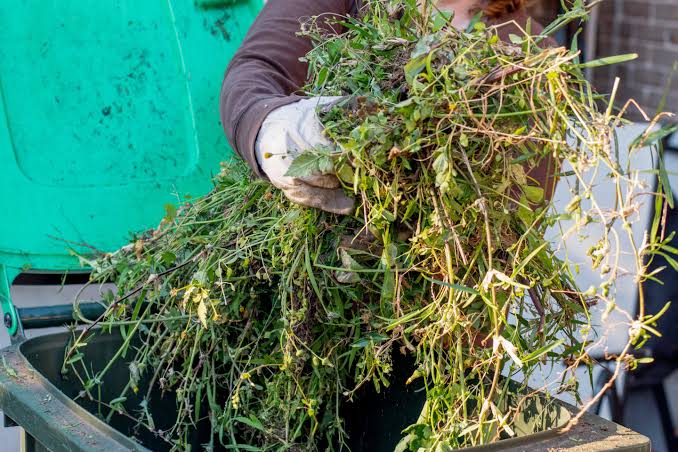
Every pruning job, hedge trim and backyard clean-up produces the same awkward leftover: a pile of branches, clippings and leaf litter that will not fit in the green bin. Green waste removal Sydney services fill that gap, and the good ones do far more than just cart it away.
This guide covers what legally counts as garden organics, the NSW transport rules that catch a surprising number of homeowners and small landscapers out, realistic pricing, and what actually happens to the material once it leaves your property.
What Counts as Green Waste?
The NSW EPA definition of garden organics includes mulch, branches and lopped material, lawn clippings, tree trunks and stumps, leaves and unwanted plants. In practice, a green waste removal Sydney crew will take:
- Branches, limbs and prunings of any diameter
- Hedge clippings and lawn cuttings
- Leaves, bark and loose mulch
- Palm fronds and cocos seed heads
- Weeds and pulled-out shrubs
- Tree trunks, rounds and ground stump chip
- Potted plants once soil is separated
What is not green waste: treated timber, sleepers, fence palings, soil and rubble, plastic pots, hoses, netting, bagged concrete and general household rubbish. Mixing those in changes the waste classification, which changes where the load can legally go and what it costs to tip.
The NSW Rules Most People Do Not Know
This is where DIY disposal gets people into trouble.
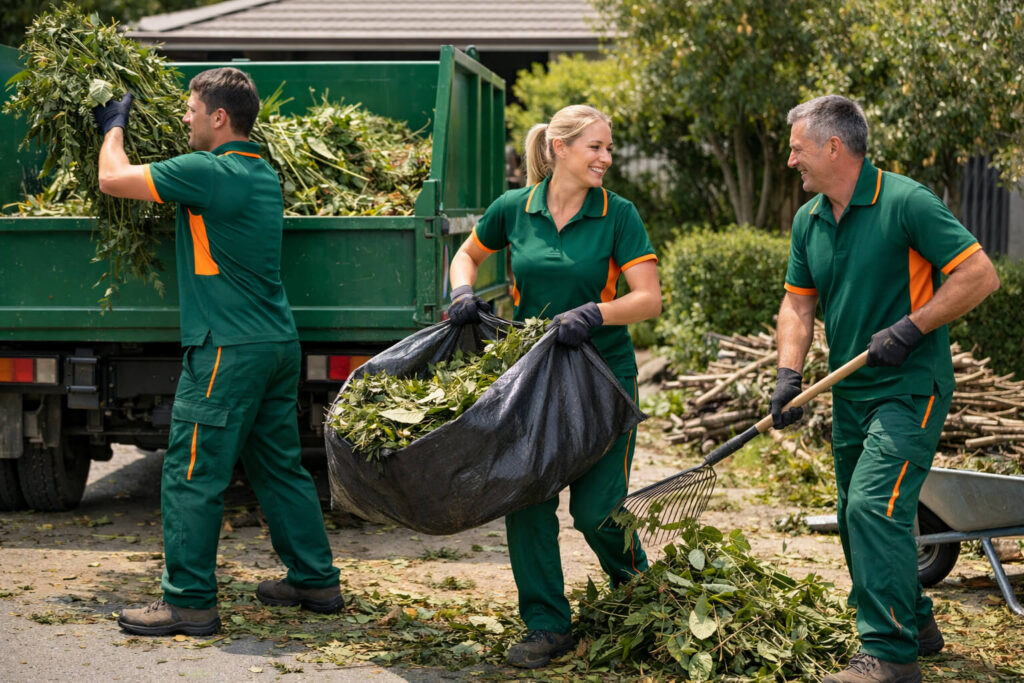
Loads must be covered. Uncovered garden organics can spill onto the road and wash into stormwater drains. The EPA applies fines for uncovered loads, and it is enforced.
Waste must go somewhere lawful. Section 143 of the Protection of the Environment Operations Act 1997 requires waste to be transported to a place that can lawfully accept it. Critically, both the owner of the waste and the transporter are legally responsible for proving that it was.
Illegal dumping penalties are severe. On-the-spot fines run into the thousands, with prosecution penalties reaching into the millions for corporations, plus clean-up costs.
That last point is the real argument for professional green waste removal Sydney wide. If you pay a bloke with a ute who quietly tips your prunings in a reserve, you are not automatically off the hook.
Green Bin vs Skip Bin vs Professional Removal
Council green bin
Free, already paid for in rates, and perfect for ongoing small volumes. Limits: branch diameter caps (usually 100mm), length caps, and the bin must close. Useless for a one-off clean-up.
Council kerbside clean-up
Most Sydney councils offer one or two bookable collections a year with a vegetation allowance. Cheap but slow, restricted in volume, and the pile sits on your nature strip for days.
Skip bin
Good for mixed jobs. You load it yourself, which is the catch. A 4 cubic metre green waste skip in Sydney runs roughly $350 to $500, plus the weekend you spend filling it.
Professional green waste removal
Crew, truck, chipper, labour and disposal in one price. Most expensive per cubic metre, cheapest per hour of your life.
What It Costs in Sydney
Pricing is usually by volume, with a labour component if the crew is loading rather than you.
- Small ute load (roughly 1.5 cubic metres): $150 to $300
- Standard truck load (4 to 6 cubic metres): $350 to $650
- Large tipper load (8 to 10 cubic metres): $650 to $1,200
- Chipper on site with two-person crew: $150 to $250 per hour
- Tip fees for garden organics: typically $80 to $140 per tonne if you self-haul
The biggest variables are access and whether the material is stacked. A neat, stacked pile near the driveway can halve the labour on a green waste removal Sydney job compared with material scattered across a steep back garden.
What Happens to the Material
This is the good news part. Garden organics is one of the most successfully recycled waste streams in NSW. UTS research on Australia’s urban tree canopy supports recycling branches and timber into useful products.
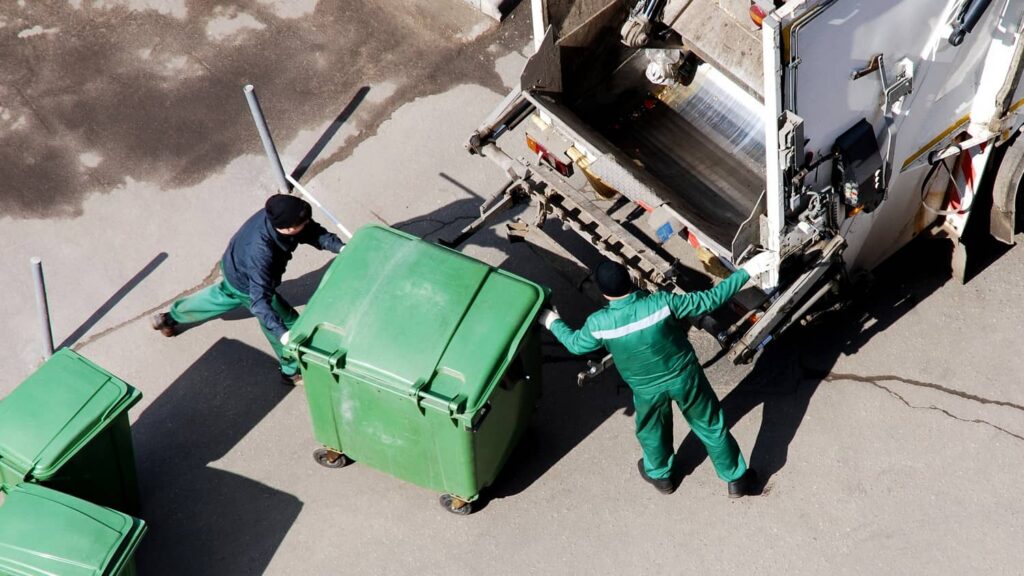
At a licensed organics facility, material is inspected for contamination, shredded, then either windrowcomposted or screened directly into mulch grades. Composting runs hot enough to pasteurise weed seeds and pathogens. Finished products are sold back as landscape mulch, soil conditioner and potting blends.
The EPA regulates this through resource recovery orders and exemptions, which set quality thresholds for contaminants before recycled mulch can be applied to land. It is why reputable suppliers can tell you exactly what grade their product is.
NSW has also mandated FOGO (Food Organics and Garden Organics) services for all households by 2030 and for businesses in stages from July 2026, which will push far more of this material out of landfill.
Choosing a Green Waste Contractor
Four questions worth asking before you book:
- Where do you tip? A legitimate operator names the facility without hesitation.
- Is disposal included in the quote? Some quotes cover labour only, then add a tip fee.
- Do you chip on site? On-site chipping reduces volume dramatically and often reduces your price.
- Are you insured? Dragging branches past cars and through side gates causes more damage claims than you would expect.
Also ask whether they will leave the chip. Free mulch delivered to your garden beds is one of the quiet perks of booking green waste removal Sydney services alongside a pruning job.
Reducing Green Waste in the First Place
A few habits cut your disposal volume significantly. Chop and drop soft prunings straight onto garden beds. Run a home mulcher over anything under 40mm. Keep a compost bay for leaves and clippings. Mow with the catcher off so clippings feed the lawn. Choose slower-growing, appropriately sized species when you replant, because the wrong tree in the wrong spot is a permanent green waste subscription.
