
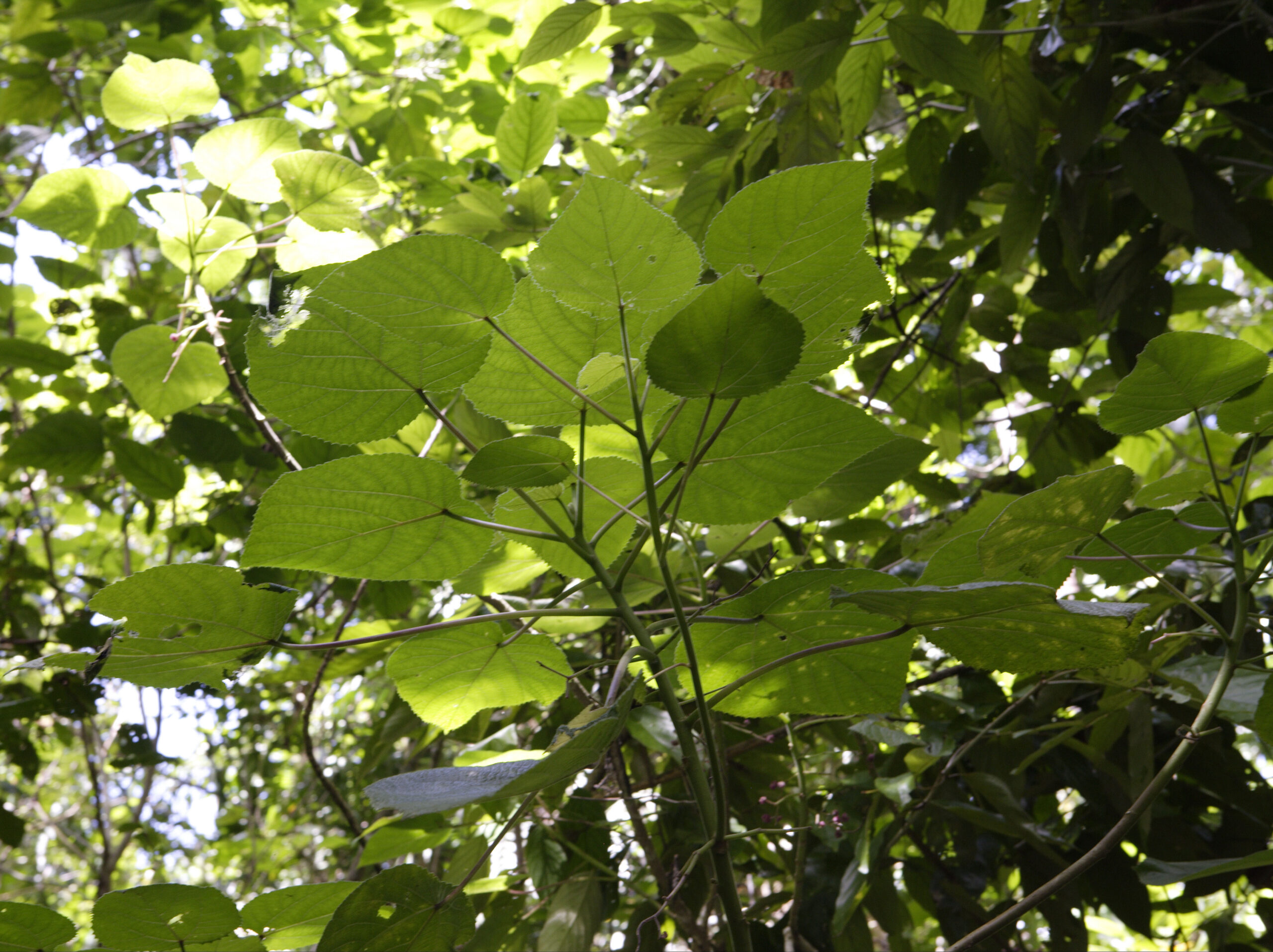
Search tree lopping Sydney and you will find hundreds of operators offering it. What you will not find is much honesty about what lopping actually does to a tree. The word gets used loosely in Australia to mean everything from careful crown reduction to hacking a mature gum back to bare poles. Those two things are not remotely the same, and the difference decides whether your tree recovers or slowly dies.
This article breaks down the terminology, the biology, the legal position in NSW, and how to brief a contractor so you get the outcome you actually want.
Lopping vs Pruning vs Crown Reduction
Lopping (in the strict sense)
True lopping means removing large limbs at arbitrary points along the branch, with no regard for the branch collar or a suitable lateral to take over as the new leader. It is fast, cheap and biologically destructive.
Topping
Topping is lopping applied to the whole canopy: the crown is cut back to stubs at a uniform height. The tree responds with a flush of weakly attached epicormic shoots that grow back faster and are far more likely to fail in wind.
Crown reduction
This is what most people actually want when they book tree lopping Sydney services. The canopy is reduced in height and spread by cutting back to suitable lateral branches, keeping the natural shape and leaving the tree able to compartmentalise the wounds.
Selective pruning
Deadwooding, crown thinning, and clearance pruning away from roofs and power lines. Lowest impact, best long-term result.
If you brief a crew with the word “lop” and nothing else, you may well get stubs. Brief them with “reduce the crown by 20 percent, cut back to laterals” and you will get a tree that still looks like a tree next spring.
Why Sydney Homeowners Ask for Lopping
The reasons are almost always practical rather than horticultural.
- Branches scraping the roof, gutters or solar panels
- Loss of light to living areas and lawns
- Blocked views across the harbour or valley
- Overhang into a neighbour’s yard causing friction
- Storm anxiety after a big limb came down nearby
- Leaf and seed litter in pools and gutters
Every one of those can be solved with proper reduction pruning. None of them require topping. A competent tree lopping Sydney contractor will steer you toward the version that solves the problem without shortening the tree’s life by a decade.
The Biology: What Happens After a Bad Lop
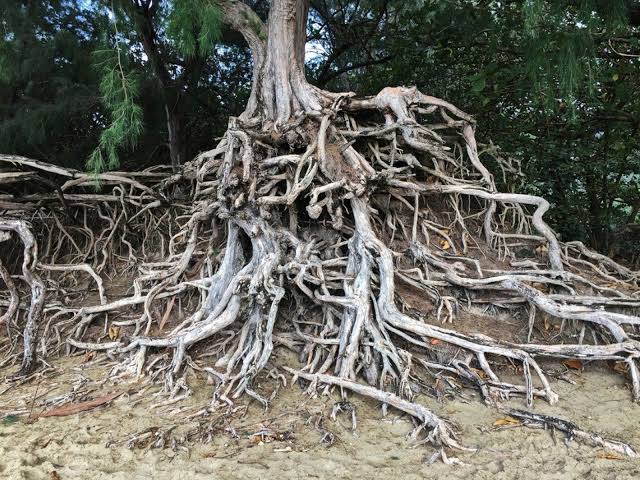
Trees do not heal wounds the way animals do. They compartmentalise, walling off damaged tissue behind chemical and physical barriers. A cut made at the branch collar lets the tree seal efficiently. A cut made midbranch leaves a large exposed face that the tree cannot close, creating an entry point for decay fungi.
The follow-on effects are predictable: rapid epicormic regrowth from dormant buds, weak attachment of that regrowth, sunscald on suddenly exposed bark, reduced photosynthetic capacity, and stored energy burned to replace lost foliage. Research on Australian urban green space helps explain why preserving a healthy canopy is worth the effort. Five years later the tree is taller than before, denser, and structurally worse. Then you pay again.
Council Rules for Tree Lopping in Sydney
Many Sydney homeowners assume pruning is unregulated. It is not. Across most Sydney councils, pruning more than 10 percent of a protected tree’s canopy requires consent, and the same State Environmental Planning Policy that governs removal also governs significant pruning.
The Hills Shire, for example, requires consent to prune a tree by more than 10 percent, to remove any nonexempt tree, or to substantially alter soil levels within three metres of a trunk. Northern Beaches, Parramatta and Ku-ring-gai run comparable controls with their own exempt species lists.
Practical rule: minor clearance pruning of a few small branches is usually fine. Anything that visibly changes the shape or size of the tree probably needs approval. Any legitimate tree lopping Sydney business will know the local rules for your council area and should tell you before quoting.
How the Work Is Done Safely
Professional lopping and reduction work follows a consistent sequence. The site is assessed for power lines, structures and ground hazards. An exclusion zone is set. The climber ascends on a rope and harness system with two points of attachment, or works from an elevated work platform. Limbs above targets are roped and lowered on a friction device.
This matters more than people realise. SafeWork NSW’s tree-work guidance documents the risks involving falls from height, being struck by falling limbs and rope entanglement in woodchippers. Tree lopping Sydney crews working without rigging above a roofline are gambling with your property and their own safety.
Equipment you should expect to see
- Climbing harness with dual attachment points and a helmet with face and hearing protection
- Chainsaw chaps or ballistic trousers on ground crew
- Lowering rope, friction device and slings for controlled limb descent
- Woodchipper with a functioning emergency stop bar
- Traffic control if any work occurs over a footpath or road
What Tree Lopping Costs in Sydney
Most operators price by crew hours plus disposal volume. Typical 2026 ranges:
- Light clearance pruning on a small tree: $250 to $600
- Crown reduction on a medium tree: $600 to $1,600
- Large eucalypt reduction with rigging over a roof: $1,800 to $4,500
- Palm cleaning and frond removal: $150 to $400 per palm
- Hourly rate for a three-person crew with chipper: $180 to $300
Access is the biggest cost multiplier. If everything must be carried through a house or up a steep block, expect the price to climb.
The Best Time of Year
In Sydney’s climate, late winter to early spring is ideal for most reduction work on deciduous and semideciduous species. Native eucalypts tolerate work year round but avoid heavy reduction during extreme heat, when the tree is already water stressed. Flowering and fruiting species are best pruned just after flowering. Storm-season preparation work is best booked in autumn, before the summer cells arrive.
