
This guide compares both options in plain terms, so they can decide what suits their block, their budget, and their long term plans.
What is the difference between tree grinding and full removal?
Tree grinding removes the stump and surface roots by shaving them down below ground level, usually leaving mulch behind. Full removal takes the whole tree down and, depending on scope, may also include removing the stump and major roots.
In practice, Tree Grinding Versus Full Removal is the difference between clearing what’s left after the trunk is gone versus clearing everything from canopy to root system.
When does tree grinding make the most sense?
Tree grinding suits yards where the tree has already been felled or where the stump is the main problem. It is popular in Australian suburbs where homeowners want to re-turf, build a garden bed, or stop trips and mower damage.
In many Tree Grinding Versus Full Removal decisions, grinding wins when they want a tidy finish without major excavation.
When is full removal the safer choice?
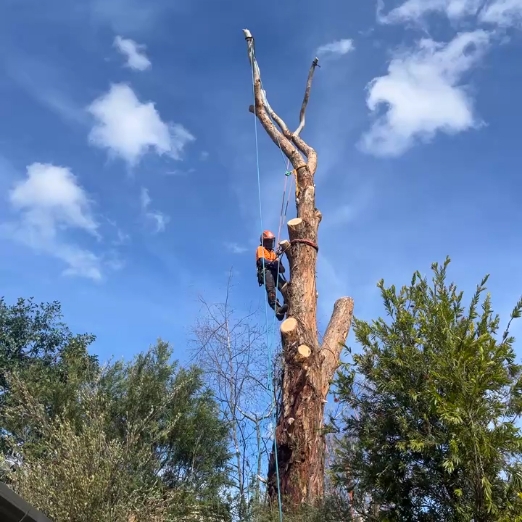
Full removal is best when the tree itself is the risk, such as storm-damaged eucalypts, leaning trees, or trees with large dead limbs over roofs and driveways. It is also the better option when pests, disease, or hollowing suggests the structure is compromised.
For Tree Grinding Versus Full Removal, removal is the priority when the tree must come down, not just the stump.
How do costs compare in Australia?
Tree grinding usually costs less than full removal because it is faster and involves fewer complex steps. Full removal pricing rises with height, trunk diameter, proximity to structures, and whether rigging or crane work is needed.
In Tree Grinding Versus Full Removal, the cheapest quote is not always the best value if it excludes debris removal, stump work, or site clean-up they expected.
What factors push the price up for either option?
Access is a major driver. Narrow side gates, sloped yards, or soft ground can limit machinery and increase labour time, especially in older Australian suburbs with tight blocks.
Tree species matters too. Dense hardwoods can take longer to cut and grind, shifting the balance in Tree Grinding Versus Full Removal towards whichever option is simpler for the site.
How does yard size and access affect the choice?
Small yards often favour grinding because it avoids large-scale digging and keeps disruption contained. Full removal can still work in tight spaces, but it may require sectional dismantling, traffic control, or careful lowering of limbs.
For many homeowners weighing Tree Grinding Versus Full Removal, access decides everything. If machinery cannot reach the stump, hand work and smaller grinders may change the quote.
What happens to roots under each approach?
Grinding typically removes the stump to a set depth, while many roots remain and decay over time. Full removal may include root extraction, but that can tear up lawns and nearby garden beds if they want a complete root ball removal.
In Tree Grinding Versus Full Removal, they should ask what “stump removal” actually includes, because stump depth and root scope vary between operators.
Will tree grinding stop regrowth?
Grinding reduces the chance of regrowth, but it does not guarantee it for every species. Some Australian trees and woody weeds can reshoot from remaining roots or from tissue near the stump if grinding is shallow.
If they are choosing Tree Grinding Versus Full Removal to prevent regrowth, they should ask about recommended depth, any follow-up treatment, and what signs to watch for in the next season.
How much mess and disruption should they expect?
Tree grinding creates wood chips and a shallow depression that is usually easy to top up with soil. Full removal can generate larger volumes of green waste, sawdust, and heavy logs, and it may require larger trucks or a skip.
For Tree Grinding Versus Full Removal, grinding is typically the cleaner option for a finished lawn look, while full removal can be messier but more final.
What are the impacts on landscaping and future plans?
Grinding is often chosen when they want to replant, lay turf, or install paving without major earthworks. However, the leftover mulch and settling soil can affect planting, so they may need to remove excess chips and add clean topsoil.
In Tree Grinding Versus Full Removal, removal may be better if they are planning foundations, retaining walls, or a pool where large roots could interfere.
Can they replant a tree in the same spot after grinding?
They can, but it depends on stump size, grind depth, and soil condition. Fresh grindings can change soil structure and nitrogen availability, so many landscapers recommend removing some mulch, bringing in soil, and planting slightly offset from the original stump location.
When comparing Tree Grinding Versus Full Removal, replanting is usually easier after grinding than after excavation, because the ground is less disturbed.
How do safety and risk differ between the two services?
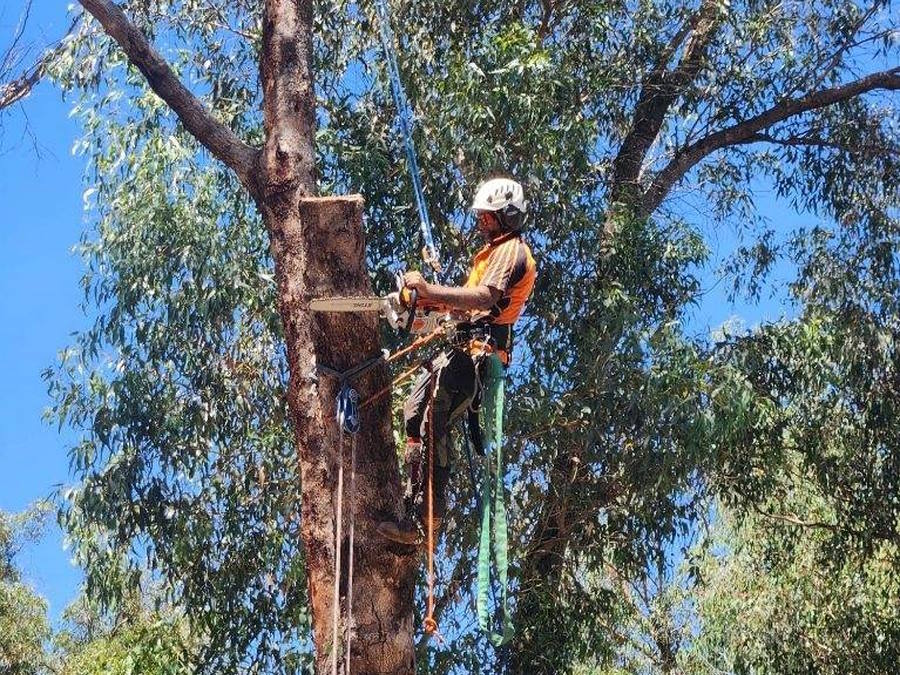
Full removal involves working at height, managing falling timber, and protecting nearby buildings and powerlines. Grinding is lower risk overall, but it still needs careful operation around rocks, fences, and underground services.
For Tree Grinding Versus Full Removal, the bigger the tree and the tighter the site, the more they should prioritise experience, clear exclusion zones, and proper clean-up.
What should they consider about council rules in Australia?
Rules vary by council and state, and some areas require permits for removing or pruning certain trees, especially natives or trees above a certain trunk diameter. Even if they only want the stump ground, the earlier tree removal may have needed approval.
In Tree Grinding Versus Full Removal, they should check their local council website or call the council before booking, especially in heritage overlays or protected vegetation areas.
How do they handle trees near fences, neighbours, and boundaries?
Boundary trees can be sensitive. If the trunk straddles a boundary or the canopy heavily overhangs, they may need neighbour agreement and careful planning to avoid disputes.
For Tree Grinding Versus Full Removal, grinding can reduce boundary conflict once a tree is already down, while full removal near fences may require more coordination to prevent damage.
What about trees close to buildings, sheds, and powerlines?
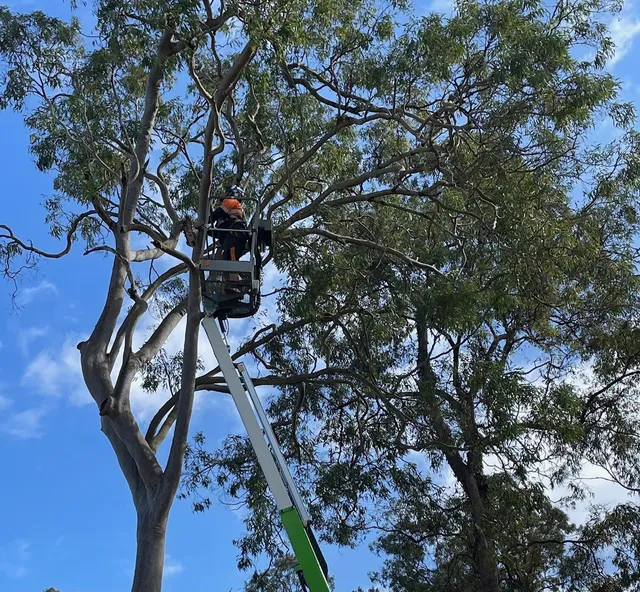
If limbs hang over roofs or the tree leans toward structures, full removal usually needs controlled lowering techniques and sometimes traffic management. Work near powerlines should only be handled by properly qualified operators and may require coordination with the local distributor.
In Tree Grinding Versus Full Removal, proximity to hazards tends to push them toward full removal first, then grinding if they want the stump gone.
Which option is better for termites and pests?
Old stumps can attract termites, ants, and borers, especially where there is moisture and decaying timber. Grinding removes the bulk of the stump, reducing habitat, though some buried roots may still decay over time.
When weighing Tree Grinding Versus Full Removal, they should consider drainage, nearby timber structures, and whether they want to remove grindings to reduce moisture retention.
What questions should they ask a tree service before booking?
They should ask what is included: debris removal, stump depth, clean-up standard, and whether the quote covers protecting lawns and paths. They should also ask about insurance, qualifications, and how the crew manages safety zones.
In Tree Grinding Versus Full Removal, clear scope prevents surprises, like discovering the stump is only ground shallow or that logs are left for them to dispose of.
How do they decide quickly which suits their yard?
If the tree is still standing and unsafe, full removal is usually the first step. If the tree is already down and the stump is the remaining obstacle, grinding is often the practical finish.
A simple rule for Tree Grinding Versus Full Removal is this: choose removal to eliminate immediate risk, then choose grinding to restore usable space.
What is the best next step after they choose?
They should book an on-site assessment so the provider can confirm access, hazards, and what machinery fits the property. They can then request a written quote that spells out exactly what happens to the stump, roots, and waste.
For most homeowners deciding on Tree Grinding Versus Full Removal, the best outcome comes from matching the service to the site conditions, not forcing a one-size-fits-all option.
FAQs (Frequently Asked Questions)
What is the main difference between stump grinding and full tree removal?
Stump grinding involves shaving down the tree stump and surface roots below ground level, usually leaving mulch behind, whereas full tree removal takes down the entire tree from canopy to root system, potentially including stump and major root extraction.
When is stump grinding the preferred option for Australian homeowners?
Stump grinding is ideal when the tree has already been felled or when the stump poses a problem. It suits yards where homeowners want a tidy finish without major excavation, such as for re-turfing, building garden beds, or preventing trip hazards and mower damage.
In which situations is full tree removal considered safer?
Full removal is safer when the tree itself is a risk due to factors like storm damage, leaning trunks, large dead limbs over structures, pest infestations, disease, or hollowing that compromises structural integrity. It prioritizes removing the entire tree rather than just the stump.
How do costs compare between stump grinding and full tree removal in Australia?
Stump grinding generally costs less because it is faster and involves fewer complex steps. Full removal costs increase with tree height, trunk diameter, proximity to structures, and requirements like rigging or crane work. However, cheaper quotes may exclude debris removal or site clean-up.
What factors influence pricing and choice between grinding and removal?
Access challenges such as narrow gates, sloped yards, or soft ground can increase labor time and restrict machinery use. Tree species also matters; dense hardwoods take longer to cut and grind. Yard size affects disruption levels—small yards often favor grinding to avoid extensive digging.
Will stump grinding prevent regrowth of trees in Australian yards?
Grinding reduces but does not guarantee prevention of regrowth. Some species can reshoot from remaining roots or tissue if grinding is shallow. To effectively prevent regrowth, it’s important to ask about recommended grind depth, follow-up treatments, and monitoring for signs of new shoots.
<script type="application/ld+json">
{
  "@context": "https://schema.org",
  "@type": "Article",
  "mainEntityOfPage": {
    "@type": "WebPage",
    "@id": "https://suzanmflorals.com/tree-grinding-versus-full-removal-which-suits-your-yard/"
  },
  "headline": "Tree Grinding Versus Full Removal: Which Suits Your Yard",
  "image": [
    "https://suzanmflorals.com/wp-content/uploads/2026/09/treelopperalbion-640w.webp",
    "https://suzanmflorals.com/wp-content/uploads/2026/09/Tree-removal-2.jpg",
    "https://suzanmflorals.com/wp-content/uploads/2026/09/risk-management-banner-1.jpg"
  ],
  "author": {
    "@type": "",
    "name": "Mona Hilario",
    "url": "https://suzanmflorals.com/author/admin/"
  },
  "publisher": {
    "@type": "Organization",
    "name": "Suzan Florals",
    "logo": {
      "@type": "ImageObject",
      "url": "https://suzanmflorals.com/wp-content/uploads/2025/02/logo-4.png"
    }
  },
  "datePublished": ""
}
</script>